- Home/
- Buy Cialis in Online Pharmacy for United States Customers
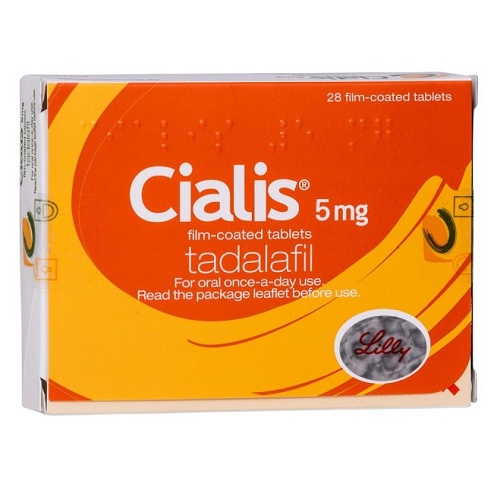
| Brand Name | Cialis |
|---|---|
| Main compound | Tadalafil |
| Intended use | Treatment of Erectile Dysfunction (ED) |
| Strengths available | 2.5 mg, 5 mg, 10 mg, 20 mg tablets |
| Onset of benefit | Typically within 30 to 60 minutes |
| How long does Cialis work? | Up to 36 hours after a single dose |
| How to take it | As needed before sexual activity, or once daily |
| Food and drink interactions | May be taken with or without food |
| Prescription status in United States | Prescription required (FDA-regulated) |
Cialis: Comprehensive Guidance for Use in the United States
Cialis is a clinically recognized therapy for Erectile Dysfunction (ED), containing the active agent Tadalafil. It is widely prescribed in the United States, following approval by the FDA, and is available both through in-person and telemedicine services. This guide addresses not just what Cialis is, but how it fits into the real world of ED management, from first doubts to final decisions.
Understanding Erectile Dysfunction: You Are Not Alone
Erectile Dysfunction is not an uncommon or shameful problem. According to the National Institutes of Health, up to 30 million men in the United States are affected by some degree of ED (NIH, 2023). The likelihood increases with age, but it impacts men of all backgrounds and ages. These numbers reflect a widespread, often silent struggle—one that is recognized by leading medical authorities and has proven, effective solutions. This normalization is important: seeking treatment is not an exception but a common step, supported by clinical research and medical practice nationwide.
How Cialis Works: The Science and the Experience
Cialis works by targeting a specific enzyme in the body called phosphodiesterase type 5 (PDE5). This enzyme is responsible for breaking down a natural substance that helps relax blood vessels in the penis during sexual stimulation. When Cialis inhibits PDE5, it enables increased blood flow, making it easier to achieve and maintain an erection when aroused. On a practical level, this means that, after taking Cialis, most men will notice that they can obtain and sustain an erection with sexual stimulation, usually within an hour of dosing, with the effect lasting up to 36 hours. Unlike some ED treatments, Cialis does not cause an automatic or constant erection—the effect is only present when you are sexually stimulated, allowing for a more natural experience.
Selecting the Right Cialis Option for Your Situation
| Your Situation | Recommended Approach | Why This Option? |
|---|---|---|
| Occasional ED, want flexibility | Take 10 mg or 20 mg as needed before sexual activity | High-dose “on-demand” use provides strong effect window for when you anticipate intimacy |
| Frequent sexual activity (2+ times a week) | Consider daily low-dose (2.5 mg or 5 mg every day) | Maintains a steady level—allows for spontaneous intimacy without planning dosing |
| History of side effects with other ED medications, or taking certain medications for heart conditions | Cialis may NOT be suitable—consult a doctor before use | Risk of harmful interactions or exacerbation of pre-existing health issues |
| Prefer a medication with a shorter effect window, or want to avoid long-lasting drug presence | Cialis may not be ideal; alternatives like Sildenafil (Viagra) may suit you better | Sildenafil acts for about 4–6 hours, which can be preferable for some lifestyles |
Choosing the right regimen depends on your health, lifestyle, and preferences. If you have any chronic health conditions, especially involving the heart or blood pressure, or you take nitrate medications, Cialis may not be appropriate—always discuss this with a healthcare provider.
Taking Cialis: Practical Guidance for Everyday Life
- Timing: For “as needed” use, take Cialis 30–60 minutes before planned sexual activity. Its effect lasts up to 36 hours, so you do not need to rush intimacy.
- Daily dosing: For ongoing ED or frequent intercourse, take the prescribed low dose at the same time every day. This keeps Tadalafil levels steady in your system.
- Food and drink: Cialis can be taken with or without food. However, excessive alcohol intake can lower blood pressure and increase the risk of side effects like dizziness.
- What if it doesn’t work the first time? Some men may need to try Cialis a few times before experiencing its full benefit. Lack of effect after several attempts may indicate the need for a different dose or another therapy—contact your doctor for guidance rather than changing your dose on your own.
- Missed a daily dose: Take it as soon as you remember, but if it’s close to your next scheduled dose, skip the missed one—never double up.
- Normal responses vs. warning signs: Mild headache, flushing, or back pain are common and generally resolve without intervention. If you experience chest pain, vision changes, or a painful erection lasting more than 4 hours, seek emergency medical attention immediately. In the United States, call 911 for urgent symptoms.
Practical success with Cialis relies not just on correct dosing, but on realistic expectations and honest communication with your healthcare provider.
Suitability and Safety: What You Need to Know
Who Should Not Use Cialis?
- Severe heart conditions: Men with significant heart disease or recent heart attack should avoid Cialis because sexual activity itself can be risky and the medication may cause dangerous drops in blood pressure.
- Use of nitrates: Do not take Cialis if you are using any nitrate medications (often prescribed for chest pain/angina) because the combination can cause life-threatening hypotension.
- Severe liver or kidney impairment: In these situations, your body may not clear Cialis efficiently, increasing the risk of toxicity.
- Known allergy to Tadalafil or any excipients in Cialis: Any history of allergic reaction means the medication is contraindicated due to risk of severe hypersensitivity.
- Uncontrolled high or low blood pressure: Cialis can further disrupt blood pressure regulation, leading to fainting or cardiovascular events.
In each case, the underlying reason is the risk of serious complications—such as a sudden drop in blood pressure, inability to clear the drug from your system, or severe allergic reaction. A thorough consultation is essential before starting Cialis, especially if you have any doubts about your medical history.
Understanding Side Effects: Frequency, Context, and What to Do
- Very common (may affect up to 1 in 10): Headache, indigestion, back pain, muscle aches, flushing, nasal congestion. These usually resolve within a few hours and do not require treatment.
- Occasional (less frequent): Dizziness, changes in vision (such as a bluish tinge), or mild rash. These symptoms are typically transient but should be mentioned to your doctor if persistent.
- Rare but serious: Priapism (an erection lasting more than 4 hours), sudden vision loss, chest pain, or severe allergic reaction (swelling of the face/lips/throat, difficulty breathing). If any of these occur, call 911 in the United States immediately—these are medical emergencies.
Most side effects are self-limiting and do not indicate a need to stop treatment. However, if you notice anything unusual or severe, consult your healthcare provider without delay.
Drug Interactions: What Matters Most
Cialis interacts with several other medications and substances. The most critical interactions include:
- Nitrate medications (for angina): Can cause dangerous drops in blood pressure—never combine.
- Alpha-blockers (for prostate or blood pressure): Combined use may increase the risk of low blood pressure and fainting—dose adjustment or careful monitoring may be needed.
- Certain antifungals and antibiotics (e.g., ketoconazole, ritonavir): Can raise Tadalafil levels in your blood, increasing side effect risk—your doctor may need to lower your Cialis dose or recommend an alternative.
- Alcohol: Excessive consumption can amplify blood pressure effects and lead to increased side effects.
Always provide your complete medication list to your provider before starting Cialis. If you’re unsure whether a drug is compatible, ask your pharmacist or prescriber—do not attempt to judge compatibility on your own.
Cialis vs. Other Options: Honest Comparisons and Alternatives
| Medication | Key Features | When Preferred | Limitations |
|---|---|---|---|
| Cialis (Tadalafil) |
Effect lasts up to 36 hours; can be taken daily or as needed; food does not impact effectiveness | Men wanting flexibility or spontaneity; those seeking less planning around intimacy | Not ideal for those who prefer a shorter effect, or have contraindications due to other medications/health conditions |
| Viagra (Sildenafil) |
Acts within 30–60 minutes; effect lasts 4–6 hours; food (especially fatty meals) can delay onset | Preferred when a short window of action is desired; suitable for occasional use | Timing around meals is important; less suited for spontaneous intimacy |
| Levitra (Vardenafil) |
Similar onset and duration as Viagra; less affected by food intake | Option for those who cannot tolerate other PDE5 inhibitors | May interact with more medications; not as long-lasting as Cialis |
| Non-oral therapies | Injections, pellets, vacuum devices | When oral medications fail or are contraindicated | More complex to use; potential for discomfort |
Cialis stands out for its duration and flexibility, but it is not universally the best option. The right choice depends on your health, frequency of sexual activity, and personal comfort with each medication
Accessing Cialis in the United States: Pricing, Prescriptions, and What to Expect
In the United States, Cialis is a prescription-only medication, regulated by the Food and Drug Administration (FDA). While it is legal and widely available, the official process requires a consultation with a healthcare provider, either in person or via telemedicine. U.S. law mandates a prescription, though some online pharmacies may advertise otherwise—this practice falls outside of standard regulatory oversight and carries risks related to authenticity and safety.
Below is a detailed cost breakdown to help you plan for the real expense of obtaining Cialis in the United States:
| Cost item | Amount | Note |
|---|---|---|
| Doctor consultation (in-person or telemedicine) | $50–$150 | Required for prescription; telemedicine may be at the lower end |
| Prescription fee (if separate) | $0–$25 | Varies; some providers include with consultation |
| Cialis (brand), 20 mg, 10 tablets | $400–$600 | Pharmacy price, may vary by location and insurance coverage |
| Generic Tadalafil, 20 mg, 10 tablets | $20–$100 | Significant cost savings with generics |
| Delivery (online pharmacy) | $0–$25 | Standard shipping; express options may cost more |
| Total (brand) | $450–$800 | Consultation, prescription, medication, standard delivery |
| Total (generic) | $70–$300 | Consultation, prescription, medication, standard delivery |
You will receive either the original Cialis or a generic Tadalafil (which is FDA-approved and equivalent in effect), depending on your preference and insurance. Always verify the legitimacy of the pharmacy—look for those licensed in the United States and avoid offers that seem too good to be true.
Frequently Leftover Concerns: Clarifications Before You Decide
Doctor’s observation: “One question I hear often in my clinic is, ‘What if my ED is caused by stress or psychological factors—will Cialis still help?’ While Cialis treats the physical component by enhancing blood flow, if underlying emotional or psychological issues are significant, erectile function may not fully return with medication alone. In such cases, a combined approach—addressing both the mind and body—often leads to the best results.”
- Is long-term use safe? For most men, regular use of Cialis is well-tolerated when prescribed by a health professional and monitored. Ongoing medical follow-up is recommended, especially for those with evolving health conditions.
- Can I switch between “as needed” and daily dosing? This is possible, but only under guidance from your provider—dosing regimens and tablet strengths are different.
- Will insurance cover Cialis? Coverage varies. Many U.S. insurance plans do not cover brand-name Cialis for ED, but may cover generics. Always check with your provider or insurer.
- What if I have other health issues? ED can be an early sign of conditions like diabetes or heart disease. If you are experiencing ED for the first time, consider a thorough medical check-up to rule out underlying causes.
If after reading this you still feel uncertain, remember that seeking answers is a healthy, responsible step—and that expert guidance is always within reach when needed.