- Home/
- Buy Furosemide Without Prescription in the United Kingdom Online
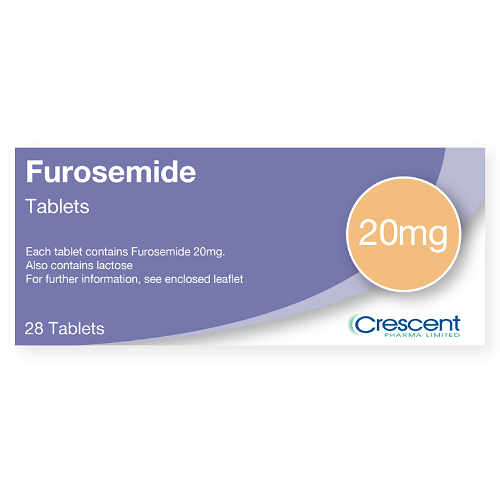
Furosemide in the United Kingdom: The Complete, Evidence-Based Guide for Safe and Effective Use
Can I Obtain Furosemide Without a Prescription in the UK?
No, you cannot obtain Furosemide legally without a prescription in the United Kingdom. Furosemide is a prescription-only medication regulated by the Medicines and Healthcare products Regulatory Agency (MHRA). It is illegal and unsafe to purchase or use Furosemide without a valid prescription from a registered UK healthcare professional.
Furosemide: Key Facts at a Glance
| Parameter | Details |
|---|---|
| Active Ingredient | Furosemide |
| Therapeutic Use | Oedema (fluid retention) due to heart failure, liver or kidney disease; hypertension (as adjunct) |
| Prescription Status (UK) | Prescription Only (POM) |
| Onset of Action | Oral: 30–60 min; IV: 5 min |
| Main Contraindication | Severe hypovolaemia, anuria, electrolyte imbalance |
| Common Side Effects | Increased urination, low potassium, dehydration, dizziness |
| Regulatory Authority | MHRA |
Bottom line: Furosemide is a powerful diuretic, always prescribed, monitored, and dispensed under strict UK medical supervision.
How Does Furosemide Work? Mechanism of Action Explained
“My consultant described Furosemide as ‘a tap for your kidneys, making your body lose salt and water when you need it most.’ That image stuck with me.” – Patient from Manchester
Furosemide is a loop diuretic. It acts specifically on the Na+-K+-2Cl− cotransporter within the thick ascending limb of the loop of Henle in the kidney. By inhibiting this transporter, Furosemide prevents the reabsorption of sodium, chloride, and potassium ions, leading to increased excretion of these electrolytes along with water. The result is a potent diuresis—greater urine output and rapid reduction in fluid overload.
This action helps relieve fluid retention (oedema) associated with heart failure, liver cirrhosis, nephrotic syndrome, or chronic kidney disease. For high blood pressure, it’s generally used as an adjunct rather than first-line therapy.
Important note: The effectiveness of Furosemide depends on good kidney blood flow. In cases of severe renal impairment or dehydration, its action can be reduced or even harmful. Always use under close medical supervision.
References: see end of article
How to Take Furosemide: Dosage, Timing, and Duration
| Indication | Typical Starting Dose (Oral, Adults) | Maximum Daily Dose | Special Notes |
|---|---|---|---|
| Oedema (e.g., heart failure) | 20–40 mg once daily, may be increased by 20 mg increments | 600 mg (rarely, and only under consultant supervision) | Adjust according to response |
| Hypertension (adjunct) | 20–40 mg once or twice daily | — | Usually combined with other antihypertensives |
- Onset: Oral dose works within 30–60 minutes. Peak effect: 1–2 hours. Duration: ~6 hours (“lasts six for furosemide” is a common clinical saying).
- Administration: Take with water, preferably in the morning to avoid disturbing sleep due to frequent urination.
- Tablet splitting: Most UK formulations (e.g., 20mg, 40mg tablets) can be split if scored. However, always check with your pharmacist if your specific brand is suitable for splitting.
- Renal/hepatic impairment: Lower initial doses and slower titration are recommended. Close monitoring of electrolytes and kidney function is essential.
- Elderly: Use the lowest effective dose to avoid dehydration and falls.
- Children: Dosage is weight-based—specialist paediatric advice required.
Never exceed the prescribed dose. Sudden large increases can cause dangerous electrolyte imbalances and kidney injury. If you miss a dose, skip it unless advised otherwise by your doctor—never double up.
Furosemide and Daily Life: Food, Alcohol, and Lifestyle Considerations
- Can I take Furosemide with food?
- Yes, but absorption may be slightly delayed if taken with a large or fatty meal. For most people, this delay is not clinically significant. Consistency (taking with or without food) is more important than timing.
- What about alcohol?
- Alcohol and Furosemide together increase the risk of dehydration, dizziness, and falls. Patients should avoid or minimise alcohol intake and be aware of these risks, especially in the elderly or those with heart conditions.
- Are there foods or drinks I must avoid?
- There is no clinically relevant interaction with grapefruit juice. However, potassium-rich foods may be recommended to counter low potassium (unless otherwise advised).
- Should I take extra salt or potassium?
- Only if advised by your healthcare team. Never self-supplement electrolytes.
Myth: “Furosemide flushes out all toxins from your body.”
Reality: Furosemide is potent and removes fluid, but it also removes vital salts. Overuse can cause more harm than good.
Who Should Not Take Furosemide? Contraindications & Red Flags
| Type | Condition | Description |
|---|---|---|
| Absolute | Anuria (no urine output) | Can worsen kidney damage |
| Absolute | Severe hypovolaemia or dehydration | Risk of shock, kidney failure |
| Absolute | Electrolyte disturbances (e.g., severe hypokalaemia, hyponatraemia) | Can be life-threatening if untreated |
| Absolute | Allergy to Furosemide or sulphonamides | Includes previous anaphylactic reactions |
| Relative | Severe liver or kidney disease (but not always contraindicated) | Requires specialist supervision |
| Relative | Low blood pressure | May cause symptomatic hypotension |
| Relative | Gout | May increase uric acid levels |
| Relative | Pregnancy and breastfeeding | Use with caution; only if essential and benefit outweighs risk |
Furosemide must not be combined with: aminoglycoside antibiotics (risk of hearing loss), lithium (risk of lithium toxicity), or other drugs that severely deplete potassium without close monitoring.
Why? The combination of increased fluid loss and certain medical conditions or medicines can rapidly destabilise your body’s electrolyte balance, leading to dangerous complications.
What Side Effects Are Most Common With Furosemide?
| Frequency | Side Effect | Mechanism / Notes |
|---|---|---|
| Very Common (>1/10) | Increased urination, electrolyte imbalances (low potassium/sodium) | Direct action on kidney’s salt handling |
| Common (1/10–1/100) | Dizziness, headache, dehydration, muscle cramps | Fluid/electrolyte loss |
| Uncommon (1/100–1/1000) | Increased blood sugar, gout, mild hearing loss (high doses) | Secondary metabolic effects |
| Rare/Very Rare (<1/1000) | Severe allergic reactions, pancreatitis, severe hearing loss (esp. IV, rapid/high dose), blood disorders | Idiosyncratic or dose-dependent |
- If you experience fainting, muscle weakness, confusion, or skin rash, stop taking and seek medical advice immediately.
- Less severe issues like mild cramps, thirst, or urination changes should prompt a call to your GP or pharmacist for advice.
- Never ignore sudden hearing changes or serious allergic symptoms (facial swelling, breathing difficulty).
Bottom line: Most side effects are dose-related and reversible if caught early. Regular blood tests are crucial during ongoing therapy.
How Does Furosemide Compare to Other Diuretics?
| Drug | Onset of Action | Duration | Main Use | Common Side Effects | Cost (NHS England)* |
|---|---|---|---|---|---|
| Furosemide | 30–60 min (oral) | 6 hours | Oedema, hypertension (adjunct) | Electrolyte imbalance, dehydration, hypotension | Very low (NHS prescription charge, typically £9.65 per item if not exempt) |
| Bumetanide | 30–60 min (oral) | 4–6 hours | Oedema, when furosemide ineffective/not tolerated | Similar to furosemide, possible more potent per mg | Low-moderate (NHS) |
| Bendroflumethiazide | 1–2 hours (oral) | 12–24 hours | Hypertension, mild oedema | Low potassium, high uric acid, mild dehydration | Very low (NHS) |
| Spironolactone (potassium-sparing) | 2–3 days for steady effect | ~24 hours | Oedema, ascites, heart failure (adjunct) | High potassium, breast tenderness, GI upset | Low-moderate (NHS) |
*Prices are indicative, based on NHS prescription charges as of 2026. Most patients with eligible conditions (e.g., age >60, certain chronic diseases) receive NHS prescriptions free of charge in England, Scotland, Wales and Northern Ireland.
Furosemide is often chosen first for rapid, significant fluid removal. Alternatives may be preferred if there’s intolerance, specific comorbidities, or resistance to effect.
Essential Characteristics of Furosemide: A Quick Table
| Parameter | Value |
|---|---|
| Formulations | Tablets (20mg, 40mg), oral solution, IV injection |
| Half-life (adults, normal kidney function) | ~1–2 hours |
| Metabolism | Partially in liver (glucuronidation), mostly excreted unchanged in urine |
| Pregnancy category (UK) | Use only if essential; not first choice |
| Driving/machinery | May impair ability (dizziness, fainting), especially at start of therapy |
| Monitoring | Blood pressure, renal function, electrolytes (potassium, sodium, creatinine) |
| Interactions (see table below) | Multiple–see compatibility table |
How to Obtain Furosemide Legally in the UK: Step-by-Step
-
Consult a Qualified Healthcare Professional.
- See your GP, consultant, or specialist nurse. NHS and private routes both valid.
- Telemedicine or online consultations are available from CQC-registered providers.
-
Assessment and Diagnosis.
- Your clinician will take a history, perform a clinical examination, and may order blood/urine tests.
- If Furosemide is suitable, they will explain the risks and agree a starting dose.
-
Prescription Issued.
- Prescriptions can be paper, electronic, or sent directly to your pharmacy of choice.
-
Dispensing at a Registered Pharmacy.
- Present your prescription at any licensed pharmacy or opt for NHS home delivery if available.
- Always check the packaging for your name, correct dose, and UK pharmacy identifiers.
-
Follow-up and Monitoring.
- Your clinician will arrange follow-up blood tests and check-ins to monitor your response and side effects.
- Never change your dose or stop abruptly without medical advice.
For vulnerable or housebound patients, many NHS and private pharmacies in London, Birmingham, Glasgow, and across the UK offer home delivery and teleconsultation services.
Is It Safe and Legal to Buy Furosemide Online in the UK?
- Only purchase from CQC-registered, MHRA-supervised online pharmacies.
- Sites must display the EU Common Logo or equivalent UK identifier.
- Never buy from sites offering Furosemide without a prescription—these may supply counterfeits, uncontrolled imports, or illegal substances.
- Counterfeit medicines are a growing risk in the UK; these can contain incorrect ingredients, unsafe doses, or be contaminated.
- Ordering from outside the UK (including some “EU” sites) may result in customs seizure and legal consequences.
Remember: A prescription is not bureaucracy—it is vital protection for your health.
How to Spot Counterfeit Furosemide: What Should Real Tablets Look Like?
- UK-licensed Furosemide tablets:
-
- Typically white, round or oval, scored (for splitting if allowed), and marked with manufacturer-specific codes (e.g., “F 40”).
- Packed in foil blisters with batch numbers, expiry date, and manufacturer’s name.
- Outer boxes include full medicine information in English, MHRA registration, and pharmacy label with patient’s name.
- Some brands now include QR codes or holograms for verification.
- Signs of Counterfeit or “Grey Market” Product:
-
- Unusually low price (far below UK pharmacy cost).
- Packaging in foreign language, missing batch or expiry details.
- Loose tablets, inconsistent colour, or no UK pharmacy label.
- Absence of EU/UK safety marks or the Common Logo for online sellers.
Generics licensed in the UK are as effective and safe as the original, but “grey market” or unregistered generics may not meet UK standards. When in doubt, ask your pharmacist.
What to Do in Case of Furosemide Overdose?
- Stop taking the medication immediately.
- Call 999 or NHS 111 for emergency advice.
- Be ready to tell the responder exactly how much you took, when, and if you have any symptoms (fainting, severe thirst, confusion, palpitations, weakness).
- Do not make yourself sick unless instructed by a medical professional.
- Take the medication packaging with you to hospital if possible.
Overdose can be life-threatening due to severe dehydration, kidney injury, or electrolyte imbalance. Immediate medical attention is essential.
Special Considerations: Elderly, Pregnancy, and Other Groups
Elderly: Increased risk of low blood pressure, falls, and kidney injury. Start with the lowest possible dose and monitor closely.
Pregnancy/Breastfeeding: Only use if no safer alternative. Furosemide may cross the placenta and can suppress milk production. Use only if prescribed by a specialist.
Renal or Hepatic Impairment: Lower doses with careful monitoring of fluid status and blood tests.
Children: Specialist use only; doses are weight-based and require close monitoring.
Driving/Machinery: Can cause dizziness or faintness, especially at start or when dose is changed. Avoid driving until you know how you react.
Fertility: No evidence that Furosemide affects fertility directly, but severe electrolyte imbalances should be avoided in those planning pregnancy.
Furosemide Generics vs Original: What’s the Real Difference?
- Original (Brand-Name) Products: Examples include Lasix® (rarely used brand name in UK since patent expiry). Produced under strict MHRA controls.
- Generics: Most Furosemide prescribed in the UK is generic. These are required by law to have the same active ingredient, strength, and clinical effect as the original brand.
- Excipients (Inactive Ingredients): May differ between brands and can rarely cause allergic reactions or intolerance (e.g., lactose, certain dyes).
- Cost: Generics are usually less expensive, with no loss in quality when dispensed by a UK pharmacy.
Tip: If you experience side effects after switching brands, speak to your GP or pharmacist—occasionally, an excipient may be the culprit.
In Short: What Furosemide Can and Cannot Do
- Can rapidly reduce fluid overload — especially in heart, liver, kidney-related oedema.
- Can help lower blood pressure — but rarely used alone for hypertension.
- Cannot cure the underlying cause — it manages symptoms, not the disease itself.
- Cannot replace lifestyle changes — salt restriction, exercise, and monitoring remain essential.
- Can cause dependence (physiological) if misused — abrupt withdrawal after chronic use may risk rebound fluid retention.
- Bottom line: Used as prescribed, Furosemide is highly effective; but it’s not a quick fix or a “water pill” to be used for weight loss or non-medical reasons.
How Do I Find a Specialist for Edema in the UK?
The most appropriate specialists for oedema management in the UK are cardiologists (for heart failure), nephrologists (for kidney-related oedema), and consultant general physicians or specialist nurses in hospital settings. Major NHS hospitals in cities like London (e.g., Guy’s and St Thomas’ Hospital), Birmingham, Manchester, and Glasgow all have dedicated heart failure and renal clinics.
- Ask your GP for a referral to an appropriate specialist.
- For private consultations, use the General Medical Council register to verify a consultant’s credentials.
- Telemedicine appointments are increasingly available across the UK for initial assessment and medication reviews.
FAQ: People Also Ask About Furosemide (UK)
- Is Furosemide safe for daily use?
- Daily use is common for certain conditions, but always under medical supervision with regular blood tests to prevent side effects.
- Can I drive while taking Furosemide?
- You should avoid driving until you know how Furosemide affects you. Dizziness or fainting is possible, especially when starting treatment.
- How quickly does Furosemide work?
- After an oral dose, the effect starts within 30–60 minutes, peaks at 1–2 hours, and usually lasts up to 6 hours.
- Can I take Furosemide for weight loss?
- No—Furosemide is not approved or safe for weight loss. It removes fluid, not fat, and misuse can be dangerous.
- Do I need regular blood tests?
- Yes. Monitoring of kidney function and electrolytes is essential for everyone on long-term Furosemide.
- Are there drug interactions I should know about?
- Yes, especially with lithium, aminoglycosides, and drugs affecting potassium. Always check with your healthcare provider or pharmacist.
- What should I do if I miss a dose?
- Skip the missed dose and continue as normal. Do not double up unless instructed by your doctor.
- Can I buy Furosemide online without a prescription?
- No. It is illegal and unsafe to do so in the UK. Use only registered pharmacies with a prescription.
References
- British National Formulary (BNF). Furosemide. Accessed June 2026. https://bnf.nice.org.uk/drugs/furosemide/
- Medicines and Healthcare products Regulatory Agency. Medicines: restrictions and legal categories. Accessed June 2026. https://www.gov.uk/drug-safety-update
- NHS England. Furosemide: patient information leaflet. Accessed June 2026. https://www.nhs.uk/medicines/furosemide/
- EMA. Assessment Report – Furosemide. 2023. https://www.ema.europa.eu/en/documents/product-information/furosemide-epar-product-information_en.pdf
- Petrie MC et al. Loop diuretics in heart failure: new studies, new questions. European Heart Journal. 2024;45(7):1123-1130. https://academic.oup.com/eurheartj/article/45/7/1123/7324890
- National Institute for Health and Care Excellence (NICE). Chronic heart failure in adults: diagnosis and management [NG106]. Updated 2024. https://www.nice.org.uk/guidance/ng106