- Home/
- Buy Prednisolone at Low Price in the United Kingdom Online
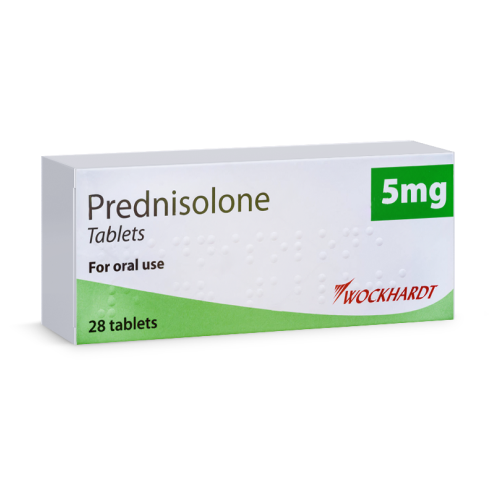
| Name of product | Prednisolone |
|---|---|
| Main substance | Prednisolone |
| Medical use | Management of inflammation (various autoimmune and allergic conditions) |
| Formulations and strengths | Tablets: 1mg, 5mg, 25mg; Oral solution; Eye drops; Rectal foams |
| How quickly it begins to work | Typically within hours for oral forms; up to several days for some conditions |
| Active period | Approximately 12–36 hours per dose |
| Food and dosing guidance | Best taken after food; daily or as prescribed |
| Prescription rules (UK) | Prescription-only medicine in the UK |
| Average cost | £3–£10 for a typical pack (may vary by strength/format) |
Prednisolone for Inflammation: Guidance for United Kingdom
Prednisolone is a prescription corticosteroid used to treat a wide range of inflammatory and autoimmune conditions, from asthma and arthritis to skin disorders. It is fully licensed and legally available in the United Kingdom under the oversight of the Medicines and Healthcare products Regulatory Agency (MHRA). If you’re considering Prednisolone, knowing how it works and how to use it safely is essential.
Inflammation: A Common, Controllable Problem
Millions of people in the United Kingdom live with inflammatory conditions that affect daily life. According to Versus Arthritis, 2020, over 10 million people in the UK have arthritis or other musculoskeletal conditions involving inflammation. Chronic inflammatory diseases—including asthma, inflammatory bowel disease, and eczema—are among the most frequent reasons for long-term prescriptions. The good news: effective management is possible, and corticosteroids like Prednisolone are a mainstay of treatment when symptoms flare up or are poorly controlled by other medicines. You are not facing this alone, and your symptoms are neither rare nor untreatable.
How Prednisolone Works: Tackling the Source of Inflammation
Prednisolone is a synthetic version of a hormone naturally produced by your adrenal glands. When inflammation occurs, your immune system releases chemicals that cause swelling, redness, and pain. Prednisolone interrupts this process by blocking the production of inflammatory mediators (such as prostaglandins and cytokines). As a result, the immune system’s attack on healthy tissues is dampened, reducing both the visible and invisible signs of inflammation.
For the patient, this typically means a gradual easing of symptoms: swollen joints may become less stiff, breathing can improve in asthma, and skin rashes may fade. The timing varies—some people notice relief within a few hours of the first dose, while for others it takes a few days for inflammation to subside. Prednisolone does not cure underlying conditions but is highly effective for controlling acute flares and maintaining quality of life.
Is Prednisolone Right for Me? Real-Life Scenarios
| Situation | Recommendation | Reasoning |
|---|---|---|
| You have a diagnosed inflammatory condition (e.g., rheumatoid arthritis, severe asthma, inflammatory bowel disease) and other treatments haven’t controlled symptoms | Prednisolone is likely suitable, under medical supervision | Because corticosteroids can rapidly control inflammation when other therapies are inadequate |
| You are experiencing a sudden flare-up with significant pain, swelling, or breathing difficulties and have been prescribed steroids before | Prednisolone may be appropriate for short-term use | Because it can quickly reduce acute inflammation, preventing complications |
| You have only mild symptoms, or your condition is controlled on non-steroidal medications | Prednisolone is generally not first-line | Because long-term steroid use carries risks; milder therapies may suffice |
| You have active infections (like tuberculosis or untreated fungal infections), or a known allergy to steroids | Prednisolone is not suitable | Because steroids suppress the immune response, which can worsen infections or trigger allergic reactions |
| You are pregnant or breastfeeding and considering steroid treatment | Specialist advice required | Because the risks and benefits must be carefully balanced for you and your baby |
This table should help you identify which category you fall into. If you’re uncertain, a GP or relevant specialist can guide you on the next steps based on your medical history and current symptoms.
Day-to-Day Use: What to Expect and How to Manage Practical Issues
- When to take it: Prednisolone is usually taken in the morning with or after food to reduce stomach irritation and mimic your body’s natural hormone cycle.
- If you miss a dose: Take it as soon as you remember; if it’s close to the next dose, skip the missed one—never double up. Missing a single dose rarely causes problems, but regularly missing doses can trigger a flare-up or withdrawal symptoms if you’ve been on it for a while.
- What to do if it doesn’t help: If your symptoms remain unchanged or worsen after a few days, contact your doctor. Some conditions are resistant to steroids, or you may need a different dose.
- What’s normal: Improvement within a few days is expected. Slight mood changes, increased appetite, or mild fluid retention can occur but usually settle as your body adjusts.
- When to be cautious: If you develop new symptoms such as high fever, confusion, unusual swelling, or severe abdominal pain, seek medical advice promptly.
- Stopping Prednisolone: Do not abruptly stop unless advised—sudden discontinuation after longer courses can cause adrenal insufficiency, with symptoms such as fatigue, weakness, and low blood pressure.
Practical tip: Carry a ‘steroid treatment’ alert card if you are on long-term therapy, so emergency personnel know about your medication.
Who Should Not Take Prednisolone?
- Active, untreated infections: Prednisolone is not recommended because it can further weaken your immune response and allow infections to spread.
- Known hypersensitivity to corticosteroids: Risk of severe allergic reaction means alternative treatments are needed.
- Uncontrolled diabetes or hypertension: Use is possible but may worsen these conditions; close monitoring is essential.
- Peptic ulcers: Prednisolone can increase stomach acid and slow healing, increasing the risk of bleeding.
- Severe psychiatric illness: Because steroids can alter mood or trigger psychiatric symptoms.
Always discuss your full medical history, including past mental health issues or infections, with your doctor before starting Prednisolone. The MHRA (Medicines and Healthcare products Regulatory Agency) advises that the decision to use corticosteroids should take into account these risks.
Potential Side Effects: What Is Common, What Is Rare, and When to Worry
| Side effect | Frequency | What to do |
|---|---|---|
| Increased appetite, weight gain, mood changes | Common | Usually settle with dose adjustment; consult if persistent |
| Insomnia, indigestion, fluid retention (swelling) | Common | Mild and self-limiting, discuss with doctor if troublesome |
| High blood sugar, high blood pressure | May occur, especially with long-term use | Requires monitoring; report significant changes |
| Osteoporosis, eye problems (cataracts, glaucoma) | Less common, long-term use | Periodic screening recommended |
| Severe allergic reaction (anaphylaxis): difficulty breathing, swelling of face/throat | Rare but serious | Call 999 immediately (NHS Emergency Services) if these symptoms occur |
| Adrenal suppression (fatigue, weakness, collapse if stopped suddenly after long-term use) | Rare with short courses; risk increases with prolonged use | Never stop abruptly; seek urgent help if severe symptoms develop |
Most side effects are linked to dose and duration. Many people experience only mild symptoms, if any, when steroids are used for short courses. If you experience severe reactions, especially breathing difficulties or sudden swelling, call 999 for emergency help in the UK.
Medication Interactions: What to Watch For
- Other immune suppressants (e.g., methotrexate, ciclosporin): May increase the risk of infection or side effects; careful monitoring needed.
- NSAIDs (ibuprofen, aspirin): Risk of stomach ulcers rises when combined with steroids.
- Diabetes medications: Prednisolone may raise blood sugar, so dose adjustments may be needed.
- Vaccinations: Live vaccines are generally not recommended during steroid treatment, due to reduced immune response.
Disclose all medications—including over-the-counter herbal supplements—to your prescriber before starting Prednisolone. This is especially important as some drug interactions may require changes to your treatment plan or extra monitoring. If you are on multiple medications, your pharmacist can also advise on safety.
How Does Prednisolone Compare to Alternatives?
For many inflammatory conditions, Prednisolone offers rapid, reliable relief when non-steroidal medications are insufficient. However, it is not the only option. Here is a brief comparison:
- NSAIDs (like ibuprofen): Suitable for mild inflammation and pain, but less effective for autoimmune conditions or severe flares. Lower risk of immune suppression but can cause stomach irritation.
- Biologic agents (e.g., adalimumab, etanercept): Used for specific chronic diseases when steroids or other drugs fail, but require specialist supervision and are more expensive.
- Other corticosteroids (e.g., dexamethasone, methylprednisolone): May be preferred in certain cases due to different potency and duration, but work via similar mechanisms.
Prednisolone is often chosen for its balance of effectiveness, flexibility in dose, and familiarity among prescribers. For long-term control, doctors aim to use the smallest effective dose or switch to steroid-sparing drugs to minimise risk. Some people may require a different approach if they have contraindications or develop intolerable side effects.
The Real Cost of Prednisolone Treatment in the UK
| Cost component | Typical price | Further information |
|---|---|---|
| GP consultation (NHS) | Free | Available to UK residents; private GP appointments cost £60–£120 |
| Prescription charge (England) | £9.65 per item | Free in Scotland, Wales, and Northern Ireland |
| Prednisolone tablets (private prescription) | £3–£10 for typical pack (dependant on dose/strength) | Price may vary between pharmacies |
| Standard delivery (online pharmacy) | £3–£6 | Express delivery options available at extra cost |
| Total estimated cost | £13–£35 | Private route, including medication, prescription, and delivery |
Through the NHS, most people pay only the prescription charge (unless exempt), with medication dispensed by local or online pharmacies. Private services may involve higher costs, particularly for faster access or tailored consultation. Always use a pharmacy registered with the General Pharmaceutical Council (GPhC) to ensure safety and legal compliance.
Unanswered Details: What Else Might You Need to Know?
- Can you buy Prednisolone without a prescription? In the UK, Prednisolone is legally classified as a prescription-only medicine. Although some online sources claim to offer it without a prescription, this is not permitted under UK law and may be unsafe.
- How are generics regulated? All generic versions of Prednisolone available in UK pharmacies must meet quality and safety standards set by the MHRA. This ensures you receive the same active substance and effectiveness as branded products.
- What if you are travelling with Prednisolone? Carry your prescription and a copy of the patient information leaflet, especially if travelling abroad. Some countries have restrictions on bringing corticosteroids into the country—check before you travel.
For questions beyond these, a pharmacist or your healthcare provider can give advice tailored to your circumstances. Treatment choices should always reflect your current health, other medications, and personal preferences, which is why medical oversight is more than a formality—it’s a safeguard for your safety and wellbeing.